


Palermo was in the news this week as the wedding of pop star Dua Lipa took over parts of the city, with the ceremony itself in nearby Bagheria. Sicily is currently the world’s hottest stage for luxury travel and for the wealthy to perform access, excess, and also authenticity.
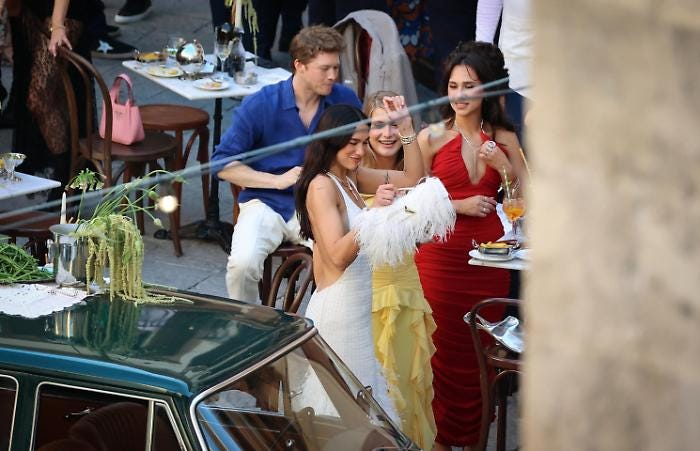
Like all the world’s most fertile places, Sicily has been chronically exploited and is right now undergoing a form of luxury colonization. What’s been happening is that many small 3-star hotels are being acquired by hotel chains and renovated into 5-star properties with spas, restaurants, and services such as hot-air balloon rides and spritz picnics in a FIAT convertible. Right now, this market is enormous. I recently had a conversation with a colleague who serves the highest level of the luxury market, and he told me that availability is so tight this year that even those willing to do a full buyout of a property won’t get a late check-out because someone else is arriving promptly that morning on a private jet.
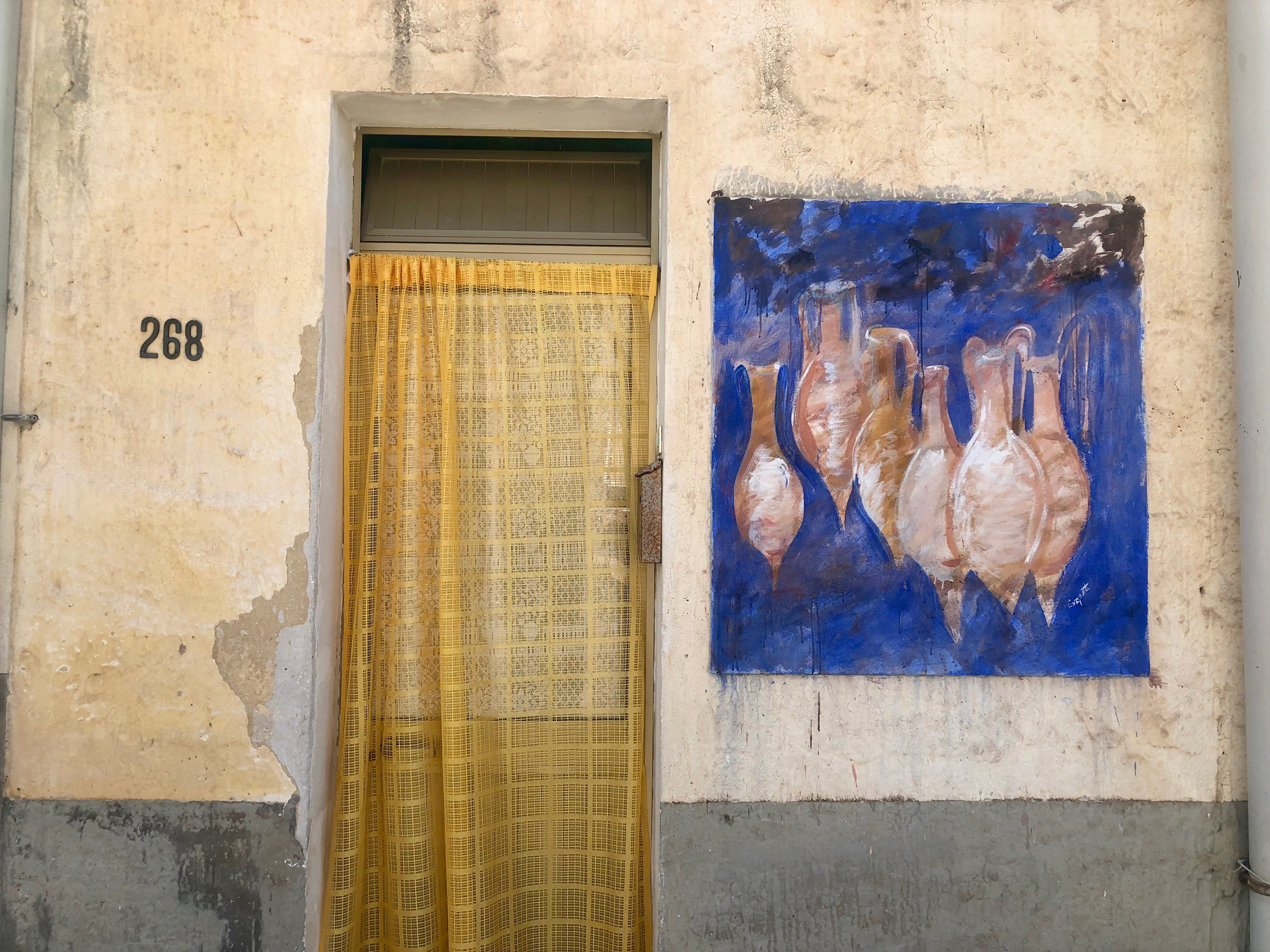
I believe Sicily is so attractive to today’s luxury traveler because it has the color and texture that offers a sensory vacation from the ultra-sleek, minimalist aesthetic of the wealthy in London, Los Angeles, or New York. The shouting fishmonger in Palermo is visceral and exotic for someone accustomed to sending their housekeeper to Whole Foods, with a list assembled from their Amazon Prime account. And as Sicilian economist and writer Claudia Fauzia said, the Italian south is the last place to experience authenticity while still being in the West.
Is this actually bad?
There are the predictable arguments for and against Sicily’s luxury tourism industry. Yes, it creates jobs, but the low-wage seasonal jobs do nothing to stem the Sicilian brain drain. People with law degrees don’t want to make beds. But at least people are coming to Sicily, many argue, and they will eat in local restaurants and pay entrance fees to the stupendous abundance of historic sites, all of which need more money and attention.
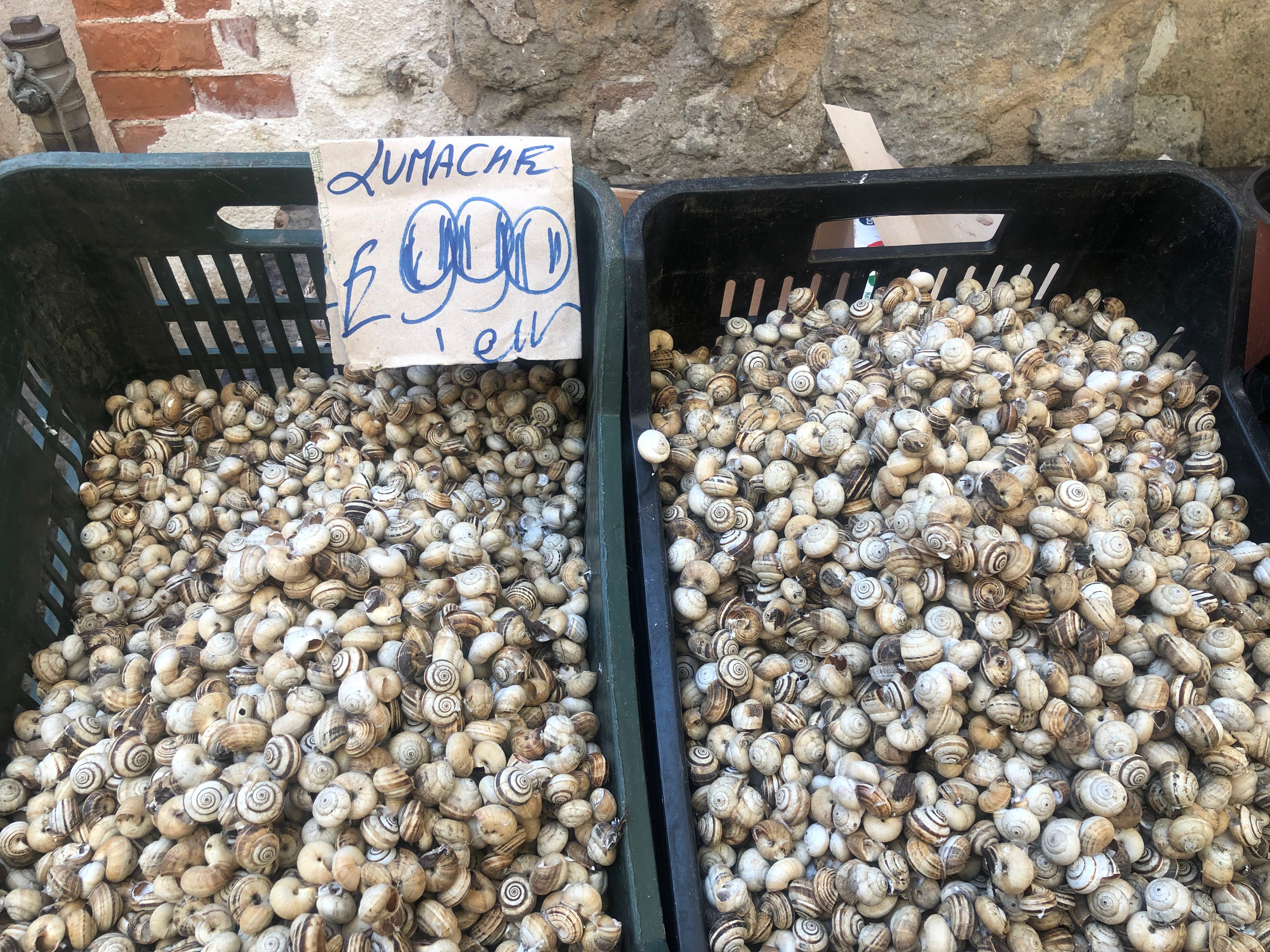
Food tours are popular; they visit markets, and the business is appreciated. Tourism is an effective way of helping local communities preserve their traditions. But it doesn’t help the vegetable seller or fishmonger who needs a daily clientele. The locals who buy ingredients for a weeknight dinner can no longer afford to live in the city center, because rents have been driven up by short-term rentals. The vendor making money is the one who sells shrink-wrapped cheese that won’t be confiscated at the airport, or bottles of limoncello in boot-shaped glasses. As such, Palermo’s Vucciria market, ongoing for a thousand years, is shrinking.
Old Bari
It has also happened in Puglia. More than a decade ago, the government of Bari finally got fed up with the mafia-controlled ports, empowered the prosecutors, and “cleaned up” the most historic section of Bari, essentially renovating the city for tourism. In the area that I remember friends in the early aughts telling me would often be shut down by police because there was so much drug trafficking, there’s now a Ferris wheel and an Eataly. The women who sit outside making pasta by hand, an artifact from a time when small apartments meant much of life was lived outside, are now photographed thousands of times per day by tourists from around the world.
So many Italians in northern Italy who held ancestral properties in Puglia began renovating old, dilapidated apartments and palazzi that no one knew what to do with until the tourists came and Airbnb made it possible to earn money with them.
It’s hard to argue that ousting organized crime and bringing in fresh eyes to marvel at a beautiful place is a bad thing. But in Sicily, as in Puglia, if you spend time in the places in between the tourist zones, you find a lot of unhappy people and difficult places. Tourists following the filtered path of social media influencers wrinkle their noses at the graffiti, garbage, or lack of reliable public transportation because infrastructure investment is continually lacking. My clients often ask me why they have a hard time finding more local experiences in parts of Puglia, like local bars and restaurants. I explain that the rhythm of local life doesn’t support those kinds of businesses well. People in the service economy work seven days a week during the high season, then have no work at all from November to May. They have either little time or little money.
Is the Luxury Colonization different than other takeovers of Sicily?
The Greeks began colonizing eastern Sicily in the 8th century BC due to overpopulation in Greece, and Sicily’s fertile lands were perfect for grapevines and olives. At roughly the same time, Phoenicians (people from what is modern-day Lebanon and Syria) colonized western Sicily to establish strategic trade ports between North Africa and Spain.
The Byzantines ruled in the early Middle Ages, extracting taxes and grain to feed Constantinople, until the Aghlabid emirs of North Africa chipped away at their authority, ushering in roughly two and a half centuries of Muslim rule. Under Arab governance, Sicily became wealthy from agriculture, but the ruling family tore itself apart in dynastic feuds, and the island broke into warring factions, leaving the door open for the Normans, descendants of Vikings, who completed their conquest of Sicily.
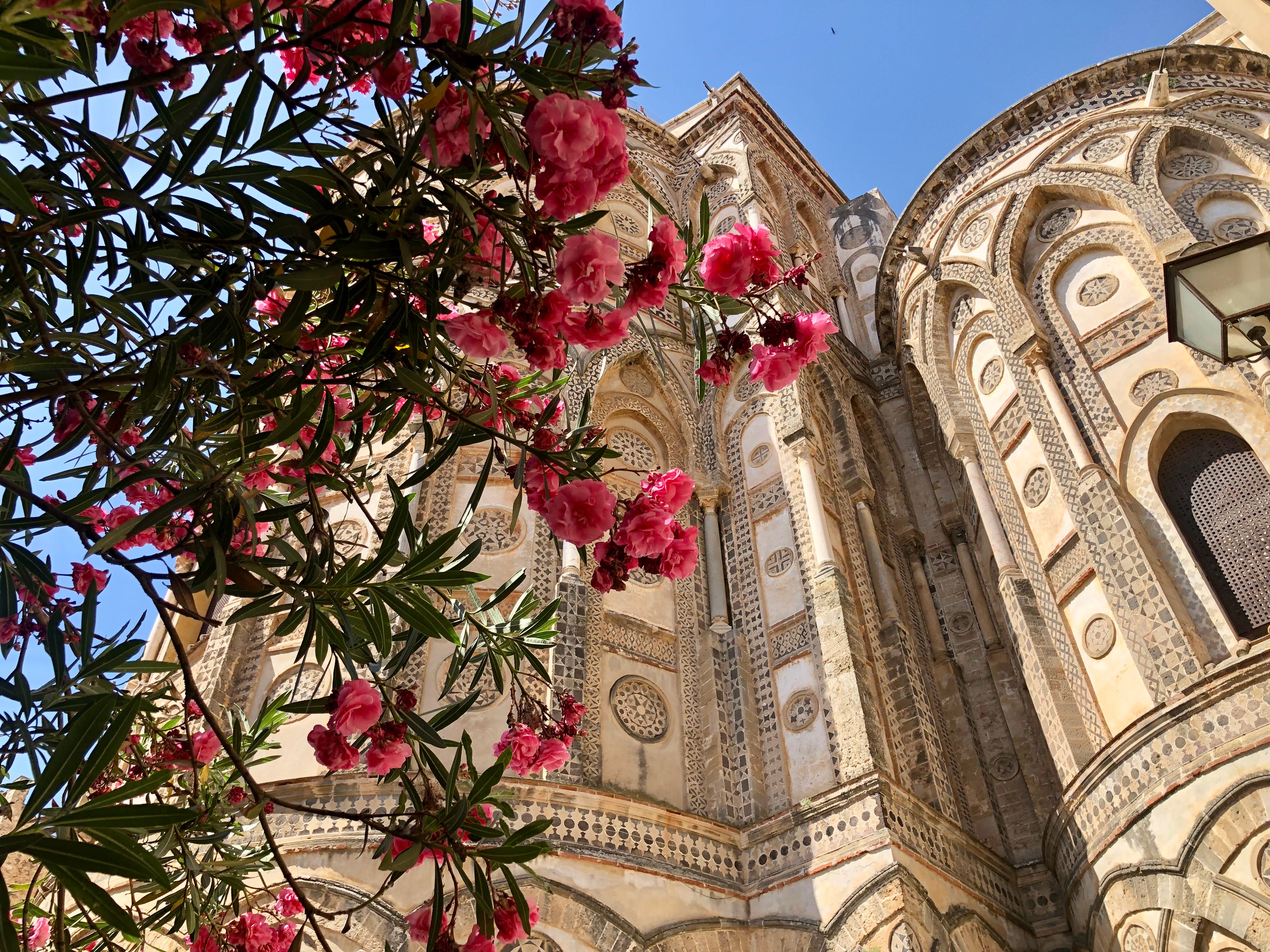
Today, Sicily's identity is built on conquest, with each wave drawing on its spolia to create something new. These transformations live most vividly in food and art. Like the Cappella Palatina, a Catholic chapel whose ceiling is adorned with muqarnas — an ornamental vaulting form born in mosques — and walls shimmering with Byzantine mosaics. The Spanish colonization of Sicily was part of the same empire that colonized the Americas, and through which tomatoes and chocolate arrived in Sicily from Mexico, then took off in their own direction.
The Luxury Elite
The wealthiest people of our age aren’t identifiable by their country. (Is Elon Musk South African, American, Canadian, or Martian?) But the wealthy do let us know who they are by where they show up. Lake Como, in clean, pristine Northern Italy, right on the Swiss border, is dominated by 5-star hotels, with a large clientele from China and the wealthiest nations of the Persian Gulf, places where wealth at this scale is newfound. Sicily’s luxury tourists come primarily from the United States and Europe. The Palermo fishmonger becomes a charming detail of a folkloric era that, gasp, still exists here. For now.
But does the luxury tourist add a new layer of history, or is Sicily just a colorful backdrop for vacation photos that live online? I wholly support the restoration of Sicily's beautiful palaces, and doing so requires a wealthy clientele. I have no problem with that. What makes me uncomfortable is when people become characters, rather than the protagonists of their own story. I fear the jig is up for the shouting fishmonger in the thousand-year-old market, unless he monetizes the theatrical experience like the pasta ladies of Bari. And I really hope that doesn’t happen.
A Better Model Does Exist
The model I find most useful is Matera, where the legal framework has shaped the restoration of the ancient Sassi, cave dwellings. Roughly 70% of the sassi are government-owned and leased under concession — available to anyone willing to cover the full cost of restoration — with Italian Law 771/86 requiring that all work adhere to strict conservation standards, preserving the character of the caves. The result is a city that wears its history openly: the luxury hotels built in caves feel like a new chapter, not a colonization. There are still debates and controversies for sure, but Matera feels reimagined, not just renovated.
The Rione Sanità in Naples is also an inspiration. Long a poor and mafia-dominated neighborhood, a priest began organizing local kids to help clean out ancient Christian catacombs, and abandoned churches Foundations and programs have been developed for locals to give guided tours and make history a deeply personal story.
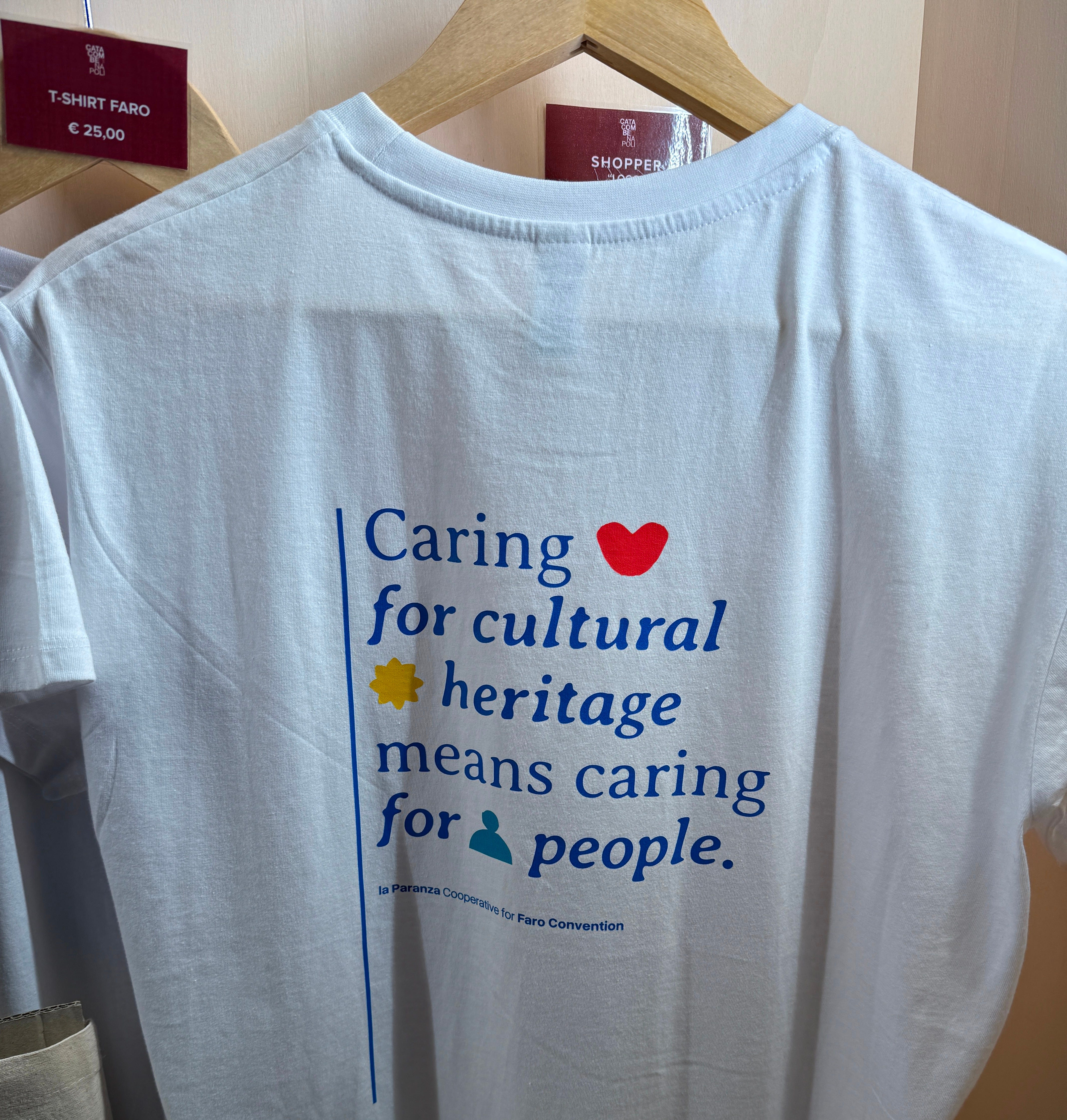
Tourism is always eager to move on to the next hot place, which is why I wish local governments would have the guts to protect their best cultural assets: human beings.
Internally, it happens through legislation that favors locals, such as regulations on short-term rentals. New York did it, and even though it has made the city much more expensive to visit, it has been a very good thing for the city's dynamism and energy. Externally, I ask tourists to go to Sicily (and everywhere) with curiosity. Please do not complain about the graffiti or offer your ideas on efficiency. Sicily has spent three thousand years turning conquest into something beautiful and distinctly Sicilian.
Whether luxury tourism leaves anything behind or just leaves is the open question.
Wow, this: "What makes me uncomfortable is when people become characters, rather than the protagonists of their own story." And also, 100% agree with your take on Matera, it really felt like they have managed to keep its spirit.
Thank you. I lived in Brooklyn before gentrification. I grew up in Seattle before Pike Place Market was a tourist attraction. I now live in Amsterdam, unpleasantly near the center, which means lines for French fries blocking legit businesses and making it impossible for normal people to use the streets. None of this has a positive impact on the society of a city as a whole. All of it is exploitative and destructive. I didn’t like living with drug dealers, no one does. But I hate living with mass tourism.